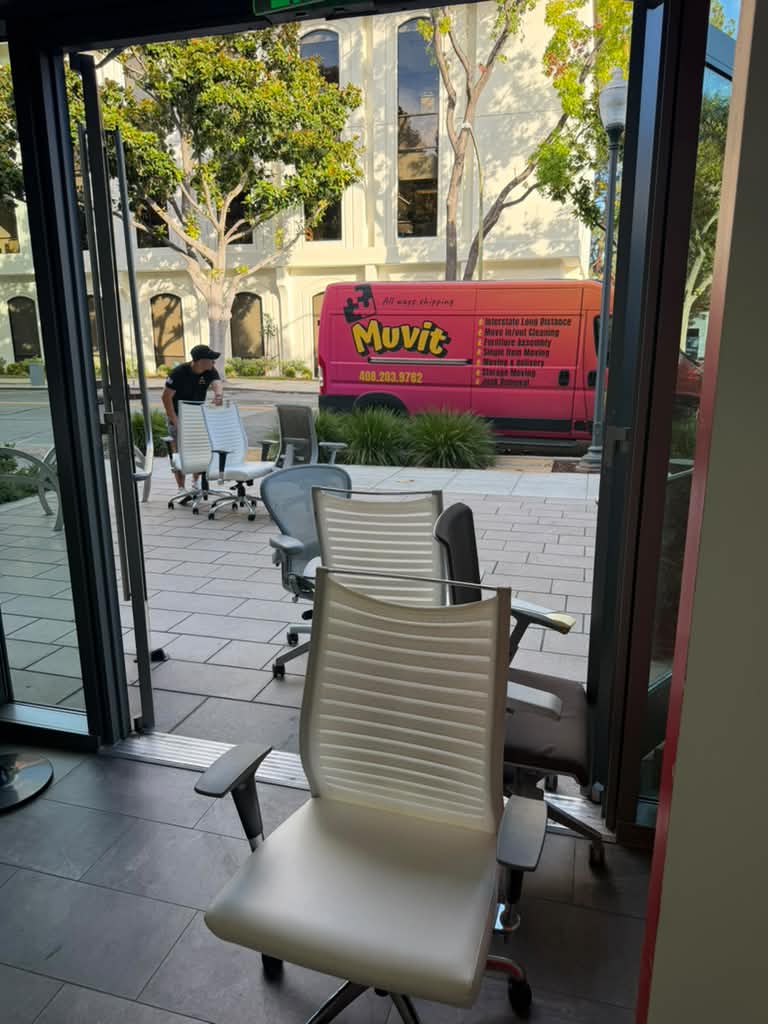

Relocating a business involves more than transporting desks and boxes from one address to another. A commercial move can affect employees, customers, schedules, equipment, and day-to-day operations. When comparing commercial movers in San Francisco, business owners should look at the complete moving service rather than making a decision based only on price. Planning, communication, careful handling, and a suitable moving strategy can all contribute to a more organised transition.
Start With a Clear Moving Plan
Before contacting a moving company, identify what your business needs to relocate. Create an inventory of office furniture, computers, documents, equipment, fixtures, and other items that will be transported.
It is also useful to determine which items will be moved, donated, recycled, stored, or replaced. Having a clear inventory gives the moving company a better understanding of the project’s scale and can make the estimating process more straightforward.
For larger relocations, consider creating a timeline that covers packing, transportation, setup, and the first working day at the new location.
Consider Your Business Type
Every commercial move has different requirements. A small professional office may primarily need desks, chairs, filing cabinets, and computers transported. A retail business, warehouse, medical office, or larger corporate space may involve specialised equipment and significantly more inventory.
When speaking with a moving company, explain the nature of your business and identify anything that requires additional care. This allows the movers to consider the appropriate equipment, labor, transportation, and handling procedures.
Look at the Services Offered
A commercial moving company should be able to provide services that match the complexity of your relocation.
Depending on your situation, you may need:
- Office furniture moving
- Commercial packing
- Loading and unloading
- Equipment transportation
- Storage
- Long-distance relocation
- Single-item moving
- Delivery services
Muvit provides commercial moving services in the San Francisco area and also lists packing, storage, long-distance moving, and specialized moving solutions among its services.
Choosing a company that can handle several parts of the relocation can make the process easier to coordinate.
Ask About Business Downtime
For many companies, the biggest concern is not simply moving possessions but keeping disruption to a minimum.
Think about when your business can realistically pause operations. Depending on the type of company, an evening, weekend, or phased relocation may be preferable to moving during normal working hours.
Discuss your preferred schedule with the moving company before booking. A detailed timeline can help your employees understand when different stages of the relocation will take place.
Check How Equipment Will Be Handled
Office equipment can represent a significant investment. Computers, monitors, printers, conference-room equipment, furniture, and other business assets should be handled carefully throughout the move.
Before hiring a mover, ask how fragile and high-value items are prepared for transportation. You should also identify particularly delicate equipment during the initial planning stage.
For technology-heavy offices, keeping an inventory of equipment and labeling items by department or destination can make unpacking considerably easier.
Compare Estimates Carefully
Obtaining more than one estimate can help you understand the expected cost of your move. However, comparing only the final price may not give you the complete picture.
Look at what each estimate includes. One company may include packing labor or additional handling while another may charge separately for those services.
Ask about potential additional costs, the estimated duration of the move, and any requirements relating to stairs, elevators, loading areas, parking, or building access.
A clear estimate can help reduce unexpected financial surprises.
Consider Access at Both Locations
San Francisco properties can have different access arrangements, and these can affect the practical side of a commercial relocation.
Before moving day, determine whether your current or new building has loading restrictions, elevator reservations, narrow entrances, stairs, limited parking, or specific moving-hour requirements.
Give these details to the moving company in advance. Proper preparation can help the moving team arrive with a more suitable plan.
Prepare Employees for the Relocation
Your employees also play an important role in a successful commercial move.
Tell staff what they need to pack themselves and what the movers will handle. Give each department clear instructions about labeling boxes, protecting confidential documents, and preparing workstations.
You can also create a simple communication schedule so employees know when the move is happening, where they should report, and when normal operations are expected to resume.
Why Businesses May Consider Muvit
Muvit provides commercial moving services designed for businesses relocating within San Francisco and the wider Bay Area. The company highlights support for office and commercial moves, along with related services such as packing and storage.
For businesses planning a relocation, having one provider that can assist with multiple stages of the move may simplify coordination. The suitability of any moving company will ultimately depend on the size, schedule, location, and specific requirements of the individual business.
Customer Reviews
“Muvit made our home move incredibly easy. The team arrived on time, handled everything carefully, and completed the move much faster than expected. Highly recommended!”
“Excellent service from start to finish. The movers were friendly and professional, and treated our furniture with great care. I would definitely use Muvit again.”
Frequently Asked Questions
How far in advance should I arrange a commercial move?
It is generally sensible to begin planning as early as possible, particularly for larger office relocations. Starting early gives you more time to organise employees, building access, packing, equipment, and scheduling.
What should I tell commercial movers before getting an estimate?
Provide information about the size of your office, number and type of items, moving locations, floors, stairs, elevators, parking, preferred dates, and any fragile or specialised equipment.
Can commercial movers help with office packing?
Many professional movers provide packing assistance. Muvit lists commercial packing and moving support as part of its services.
How can I reduce disruption during an office relocation?
Create a detailed schedule, communicate responsibilities to employees, label equipment clearly, and consider moving outside your busiest business hours when practical.
What should I compare when choosing a commercial moving company?
Consider experience, services, estimates, availability, communication, handling procedures, storage options, and customer feedback rather than choosing solely on the lowest quote.
Conclusion
A successful commercial relocation starts well before moving day. Businesses should assess their inventory, understand building access, establish a realistic schedule, prepare employees, and compare moving companies based on the complete service they provide.
For businesses researching Commercial Movers San Francisco, taking the time to evaluate these factors can make the relocation more organised and reduce unnecessary disruption. The right moving partner should understand that a business move involves more than transporting furniture—it involves helping a company transition from one working environment to another.
Muvit offers commercial moving and related relocation services for businesses in San Francisco and the surrounding Bay Area. For companies preparing for an upcoming move, understanding their requirements in advance can help create a smoother and more manageable relocation process.